Blogia

EnglishWorld

PRACTICE YOUR VOCABULARY SKILLS

Here are some fun places to expand, improve and practice your vocabulary! Use them.

www.pdictionary.com

http://www.english-at-home.com/vocabulary/

http://www.funbrain.com/spell/index.html

http://www.eslbears.homestead.com/Contact_Info.html


DICTATIONS FIRST SENIORS (19,20,21)

Mazes


         Mazes hold a mystic spell that cannot be described.  What exactly is a maze?  It is a labyrinth, surrounded by walls or hedges of vegetation. They can be entered, but it is difficult to find an exit. Other materials to make mazes include bricks, logs, concrete, stone, and gravel. Also, while not all mazes are high, which permits people to find their way out more easily, there are some that are over-eye level.


         The origin of mazes is rather vague. There are traces of mazes that go back to pre-history, usually in the form of spirals. An early maze existed in a temple in Egypt, and it had 3000 rooms and a forest of pillars that made it impossible for people to go in and out of the temple.


         For some people, mazes are an enjoyable challenge, but for others, it is a waste of time.  

The Dirty Truth About Smoking 


                      There are many reasons not to smoke. Smoking stinks—literally! It makes breath, hair and clothes smell like smoke. It's expensive. It dulls your sense of taste and smell. It raises blood pressure and causes shortness of breath. Some smokers can't stop coughing. And it kills. Each year, about half a million Americans die from smoking-related illnesses. Cigarettes contain nicotine, a highly addictive drug. Nicotine is also a poison! Arsenic, formaldehyde, hydrogen cyanide, tar and carbon monoxide are some of the other poisons found in cigarettes. No wonder smoking is linked to heart disease and cancer.  What did anti-smoking activists Wayne McLaren and David McLean have in common? They were former “Marlboro Men,” the rugged cowboys in ads that helped make Marlboro the world's best-selling cigarette. Both died of lung cancer in the 1990s.


Condorito         


         Condorito is a famous Chilean cartoon character, a personification of a funny condor living in a fictitious town named Pelotillehue, a setting typical of many small Chilean provincial towns. Contrary to popular belief, he is meant to be a representation of the Chilean people exclusively.


         Condorito was created by the Chilean cartoonist René Ríos, known as ‘Pepo’.  In spite of his Chilean origin, Condorito is very popular in several Latin American countries, in which the character is considered part of the general popular culture. Condorito and his friends are also featured monthly in a magazine that carries his name.     


         One peculiar characteristic of this cartoon is that, at the end of almost every strip, the character that  goes through an embarassing moment always falls backwards to the floor, accompanied by the PLOP! sound effect. Sometimes this effect is replaced by the victim saying, ‘ I demand an explanation!’


EXCELLENT SITES FOR LISTENING SKILLS

http://www.elllo.org/

http://www.esl-lab.com/

http://www.bbc.co.uk/worldservice/index.shtml

http://www.etseverywhere.com/


MORE GAMES AND ACTIVITIES FOR LANGUAGE LEARNING

http://www.telefonica.net/web2/eseducativa/listen00/opposites2_mp3/jigsound1.swf

http://www.telefonica.net/web2/eseducativa/listen00/opposites2_mp3/listenmatch.swf


FOR THOSE WHO LIKE ROMAN HISTORY


An interesting link for people who are interested in Ancient Rome.

http://www.romereborn.virginia.edu/

Check it out!

HAPPY 18TH HOLIDAYS TO EVERYONE.

WELCOME HOME THIRD SENIORS !


I'm sure you'll have many memorable experiences to tell us about in your Study Trip Albums. Remember to put your blank album together during these holidays to save time in the week of work you have ahead. Remember also to put together all those souvenirs that you collected on the way to put in the album. Don't lose them. We're looking forward to seeing you!


GAMES FOR LANGUAGE PRACTICE

Verbs

http://www.english-online.org.uk/games/pasttense.htm

http://www.bbc.co.uk/skillswise/words/grammar/sentencebasics/verbsubjectagreement/flash0.shtml

http://www.quia.com/cb/8111.html

http://www.harcourtschool.com/activity/verb_power/index_pre.html

http://www.funbrain.com/verb/index.html


DREAMS


Anyone can dream. We can all dream and it is free. Dreams are what make the world move ahead. Here are some inspiring quotations about dreams I would like to share with you.

You are never given a dream without also being given the power to make it true. You may have to work for it, however. Richard Bach

Dreams come true; without that possibility, nature would not incite us to have them.  John Updike

All our dreams can come true - if we have the courage to pursue them.  Walt Disney

The future belongs to those who believe in the beauty of their dreams.  Eleanor Roosevelt

You can't just sit there and wait for people to give you that golden dream. You've got to get out there and make it happen for yourself.  Diana Ross

If you can DREAM it, you can DO it. Walt Disney

The most pitiful among men is he who turns his dreams into silver and gold. Kalil Gibran

You may say I'm a dreamer, but I'm not the only one, I hope someday you will join us, and the world will live as one. John Lennon

Twenty years from now you will be more disappointed by the things that you didn't do than by the ones you did do. So throw off the bowlines. Sail away from the safe harbor. Catch the trade winds in your sails. Explore. Dream. Discover. Mark Twain

There is nothing like a dream to create the future. Victor Hugo


      Collect lots of .....


Have a good holiday and come back refreshed.


Love to everyone!


STUDY TRIP PUPILS

I hear you're all having a wonderful time! Keep on enjoying yourselves, collect things and memories. Remember that these memories should never be forgotten. This is a one-and-only-trip, the trip of a lifetime, so make the most of it! I'm including the photo that was sent to us at school. Get the next photo to be taken closer up, so we can really see who is who.

As you can see, you all look a little fuzzy, but I imagine that other photos will look better. We all miss you (too much free time for us teachers!)  Miss Christine


DICTATIONS SECOND SENIORS (18,19,20)


The Potato Crisp    

       The potato crisp was the invention of George Crum, in 1853. He worked as a chef at a popular resort in the USA. One day, a customer decided that he didn’t like the thickness of his fried potatoes, and sent them back to the kitchen.  Crum made some more, but the man returned these as well, making the same complaint.  Crum got angry and hoping to annoy the man, he made a third batch which were much thinner and could not be eaten with a fork. To his amazement, the man loved them – and so potato crisps were invented. Since then, their popularity has increased dramatically, and they are eaten all over the world. But George Crum was unaware at the time that his invention would cause great confusion in the future between the Americans (who call them chips) and the British (who call them crisps). He also didn’t know that his crisps would cause the number of obese people in the world to rise enormously!  


The Invention of Toothpaste 

         Toothpaste is an invention which doesn’t seem to have a definite inventor or date. Something like it was known in ancient Egypt, where people used a paste made of a mixture of ash and powdered egg shells, which they rubbed on their teeth with their fingers.

         In 1873, the Colgate Company – the same one that makes toothpaste today – introduced Colgate Dental Cream, which smelled and tasted much nicer than anything used until them. Soon after this, people began to use toothbrushes instead of sticks or fingers, which made cleaning teeth much easier.

         However, most Americans didn’t brush their teeth regularly until the 1940s, when American soldiers who had spent several years in Europe and learned the habit there, went home after the Second World War.


 Tea  Bags 

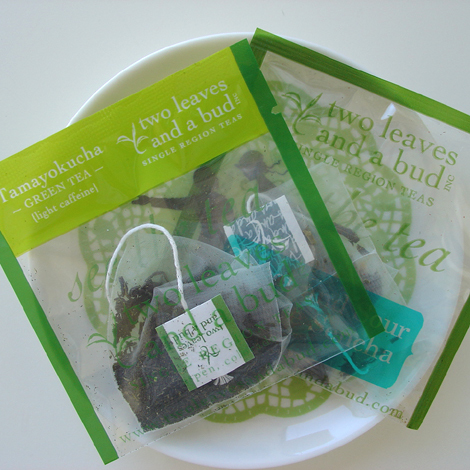
         These days, in millions of homes around the world, people make cups of tea with tea bags.  But who first thought of putting tea leaves into small bags? It was an American, in 1919. At that time, the bags were mainly used by tea companies to allow customers to try the tea before buying it. But the idea of the tea bag too hold, and by 1935 most were being bought for use at home.


         Soon tea bags started to become popular outside the United States. But they were not an immediate success everywhere. In Britain, people held very strong views on how to make a good cup of tea. There was a strict procedure which involved warming the teapot, putting one spoonful of tea for each person into the pot and then filling it with boiling water. The pot was then left for five minutes before the tea was poured into cups, and milk and sugar were added.

          However, times have changed, and due to the busy lives people lead nowadays, over 75% of the cups of tea drunk in Britain are made with tea bags.              

PREFIXES GAME

http://www.bbc.co.uk/schools/ks2bitesize/blogs

http://www.harcourtschool.com/activity/book_buddy/arthur/skill.html

http://www.manythings.org/wbg/prefixes-jw.html

http://www.manythings.org/wbg/prefixes-mw.html

http://www.oswego.org/ocsd-web/match/matchgeneric.asp?filename=jwildeprefix2ç

http://www.northcanton.sparcc.org/~elem/interactivities/prefixcatch/prefixcatch_sr_content.html

http://www.oswego.org/ocsd-web/match/dragflip.asp?filename=jwildesuffix


SPELLING AND WORD PRACTICE

http://www.quia.com/pop/13123.html?AP_rand=464858083

http://www.funbrain.com/spell/

http://www.readwritethink.org/materials/wordbuild/index.html


THIRD SENIORS STUDY TRIP

To all my Level A people, I wish you the best time of your life! Enjoy yourselves, collect things and experiences, bring back wonderful memories of this very special trip. Take care of yourselves, stay away from trouble and dangerous places and activities. We all miss you here at school already! We're looking forward to your return. We imagine there will be a moment of your trip when you will look like this...

 or like this...

Careful boys with the 'card ladies'. (Daniel, you got a 7 in the test).

I love you all. Come back safely.

Miss Christine


DICTATIONS FIRST SENIORS (17,18,19)


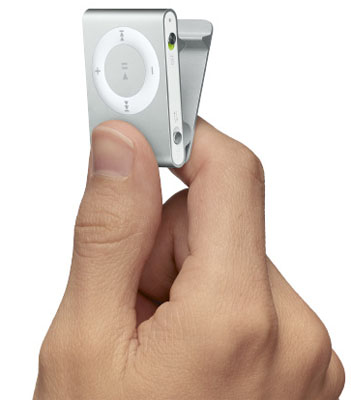
iPod


         iPod is a brand of portable media players designed and marketed by Apple and launched in October 2001. Devices in the iPod range are primarily digital audio players, designed around a central click wheel.


         iPod came from Apple’s digital hub strategy, when the company began creating software for the growing market of digital devices being purchased by consumers.  Digital cameras, camcorders and organizers had well-established mainstream markets, but the company found existing digital music players “big and clunky or small and useless” with user interfaces that were “unbelievably awful,” so Apple decided to develop its own. The product was developed in less than a year and unveiled on October 23, 2001.


         The name iPod was proposed by Vinnie Chieco, a freelance copywriter, who (with others) was called by Apple to figure out how to introduce the new player to the public.


         As of April 2007, the iPod had sold over 100 million units worldwide, making it the best-selling digital audio player series in  history.


Whose Phone is Ringing? 


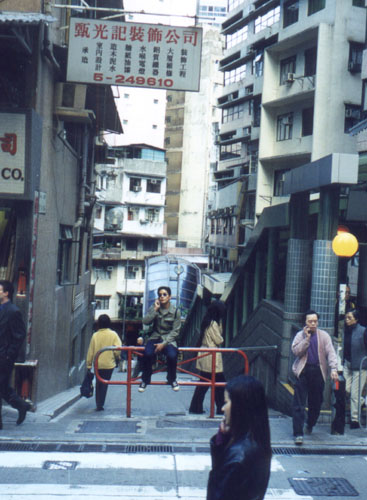
         Cellphones have become an essential item for most people. The phone lets you remain connected to friends and family, check e-mail and the Internet, and listen to music or watch TV just about anywhere. The invention has simplified our lives in many ways. But it has also made our lives more complicated, too.


         A recent phenomenon connected with cellphones is a feeling of anxiety. Experts and the media are calling this “ringxiety.” Some people think they hear the phone while in the shower, or shaving. Others often check their phones while watching TV, or walking down the street.


         A doctoral student named David Laramie came up with the word. He swears that TV advertisements, songs on the radio, even running water can trigger his ringxiety.  Most people believe that ringxiety is a result of the modern world, but there are a few people who see it as mind control via TV and radio broadcasts.
 

Speaking Beyond the Grave 

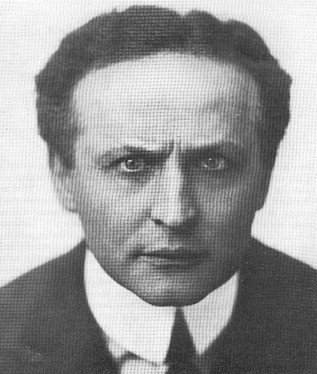
         Harry Houdini, who was a master escape artist, died eighty-one years ago.  He remains famous. His name is associated with magic, vanishing acts, and death-defying escapes. But few people know about his fight against spiritualists. Houdini believed that they were greedy people who cheated others out of money. They were frauds, and the magician spent the last years of his life exposing their lies.


         Houdini died from a punch in the stomach and a ruptured appendix. However, there are rumours that he was poisoned. And now modern-day scientists and investigators will examine the body and will finally put to rest the question: “Was Houdini murdered?”


         Questions about the death certificate have caused additional speculation over the years. It stated that Houdini’s appendix was on the left side rather than the right, and strangest of all is the fact that the death certificate was completed after Houdini had been buried.


         In a bizarre twist, though, Houdini’s body may have the chance to speak from beyond the grave.


LISTEN TO SPELLING (For First Seniors)

Ypu can also become a fast speller! All you need is practice.


IMPROVING YOUR FCE WRITING SKILLS

The following links will take you to places where you can practice different aspects of writing to prepare yourself outside school for the First Certificate in English test, which you will sit in December.

http://a4esl.org/q/h/fb008-ci.html

http://www.flo-joe.co.uk/fce/students/writing/linking/contrast.htm

http://www.flo-joe.co.uk/fce/students/writing/linking/addition.htm

http://www.flo-joe.co.uk/fce/students/writing/linking/reason.htm

http://www.flo-joe.co.uk/fce/students/writing/linking/time.htm

http://www.flo-joe.co.uk/fce/students/writing/express/index.htm (Formal expressions for strating/the body/ending a letter)

Combining ideas

http://grammar.ccc.commnet.edu/grammar/quizzes/combining_quiz2.htm

http://www.eslcafe.com/quiz/punctuation1.html 

http://www.eslcafe.com/quiz/punctuation2.html

Examples of different  writing texts

http://www.flo-joe.co.uk/fce/students/writing/makeover/index.htm


SITE FOR SPELLING PRACTICE

 .............

If you click on the following link, http://www.manythings.org/vocabulary/games/l/,you'll be directed to a site which will help you use all that intelligence you have inside you to practise your spelling with vocabulary related to different topics. The faster you do it, the more points you will obtain. Select your topic and get going!


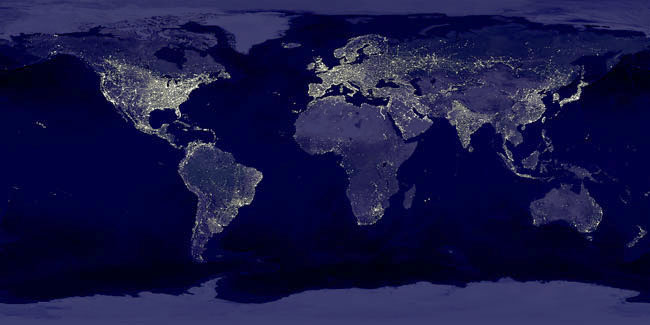
THE EARTH AT NIGHT....Doesn't it look wonderful?